Cart 0

Saïd Sayrafiezadeh

“I don’t subscribe to the notion that writers are overtaken by some creative muse that begins to have a life of its own. I wish I did, because the process might be easier. The closest I come to losing control, if that’s what it can be called, is when I have created enough of a story that certain options will begin to present themselves as possibilities I hadn’t yet considered.”

American Academy of Arts & Letters Literature Award

Whiting Award

Los Angeles Times Book Prize Fiction Finalist

PEN/Robert W. Bingham Fiction Prize Finalist

NYPL Cullman Center For Scholars And Writers Fiction Fellowship


Read

WATCH

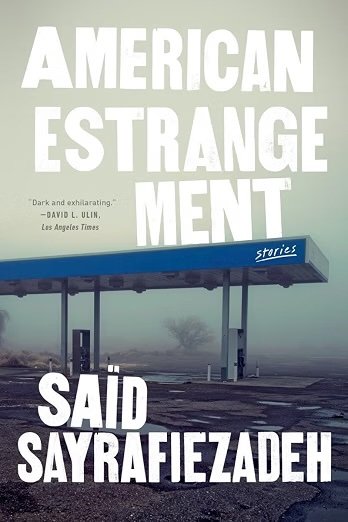
“[An] excellent new collection…[Sayrafiezadeh] writes with a veteran’s swagger and discipline…[T]he collection joins a list that includes Leonard Michaels’s “I Would Have Saved Them if I Could,” Lorrie Moore’s “Like Life” and Charles D’Ambrosio’s “The Dead Fish Museum” as a second book of stories that exceeds and expands upon the promise of the first, confirming the writer as a major, committed practitioner of a difficult form.”
— New York Times on American Estrangement
“A dark and exhilarating collection.”
— Los Angeles Times on American Estrangement
“Skillful and controlled…[The stories in American Estrangement] speak, at times quite powerfully, to an overriding feeling of cultural and personal loneliness.”
— Wall Street Journal
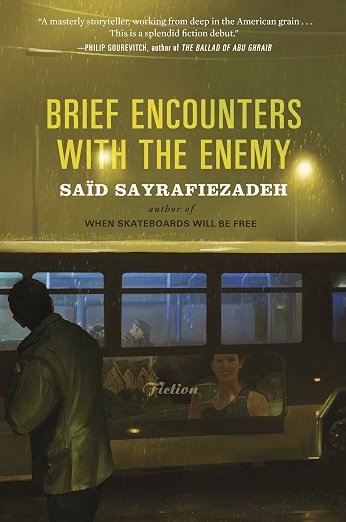
“In his memoir, Sayrafiezadeh told the remarkable tale of a childhood steeped in doomed dogma. His stories . . . offer something more: a searing vision of his wayward homeland, delivered not in the clamoring rhetoric of a revolutionary, but in the droll monologues of young men who kill because they lack the moral imagination to do otherwise.”
— New York Times Book Review on Brief Encounters with the Enemy Editors' Choice
“This is the domain of almost aggressively ordinary guys—guys who may be a tier or two up the ladder at their retail or call center jobs, but who don’t get there without incurring the envy of former classmates still working the mailroom. The recurring motifs include 99-cent American flags, putting in a word with the boss, idealistic Army recruitment brochures and unseasonable temperatures. Each time they recur they are more potent, and poignant. The collection is readable, and real, and hopefully a harbinger of more fiction to come from Sayrafiezadeh.”
— Minneapolis Star Tribune on Brief Encounters with the Enemy
“With impressive guile and design, Mr. Sayrafiezadeh uses the arrival and escalation of that war as the through-line connecting each personal drama. . . . These calculated echoes work to unify [his] haunting book in a way that story collections rarely manage.”
— Wall Street Journal on Brief Encounters with the Enemy

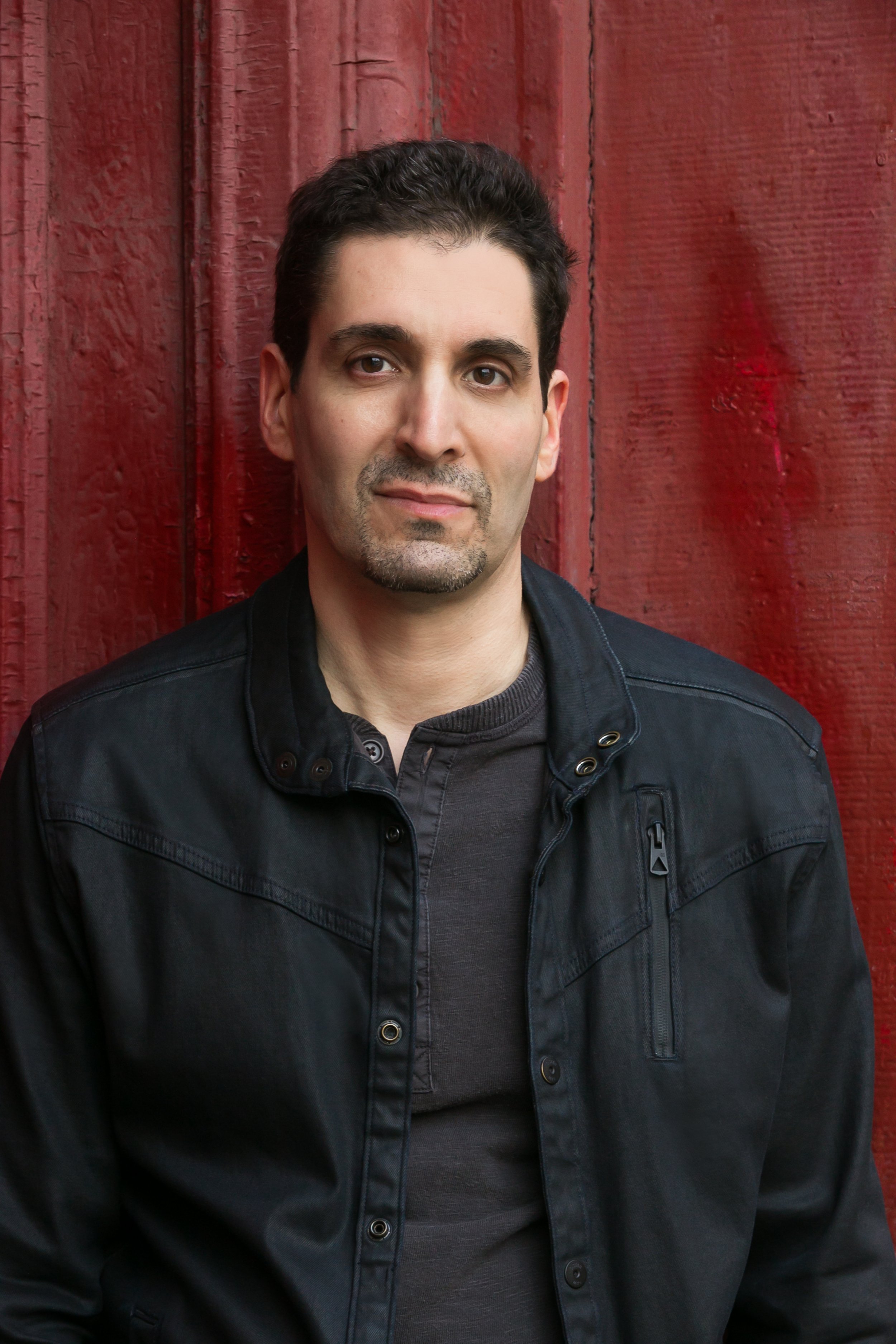
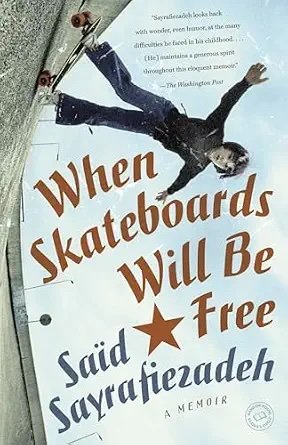
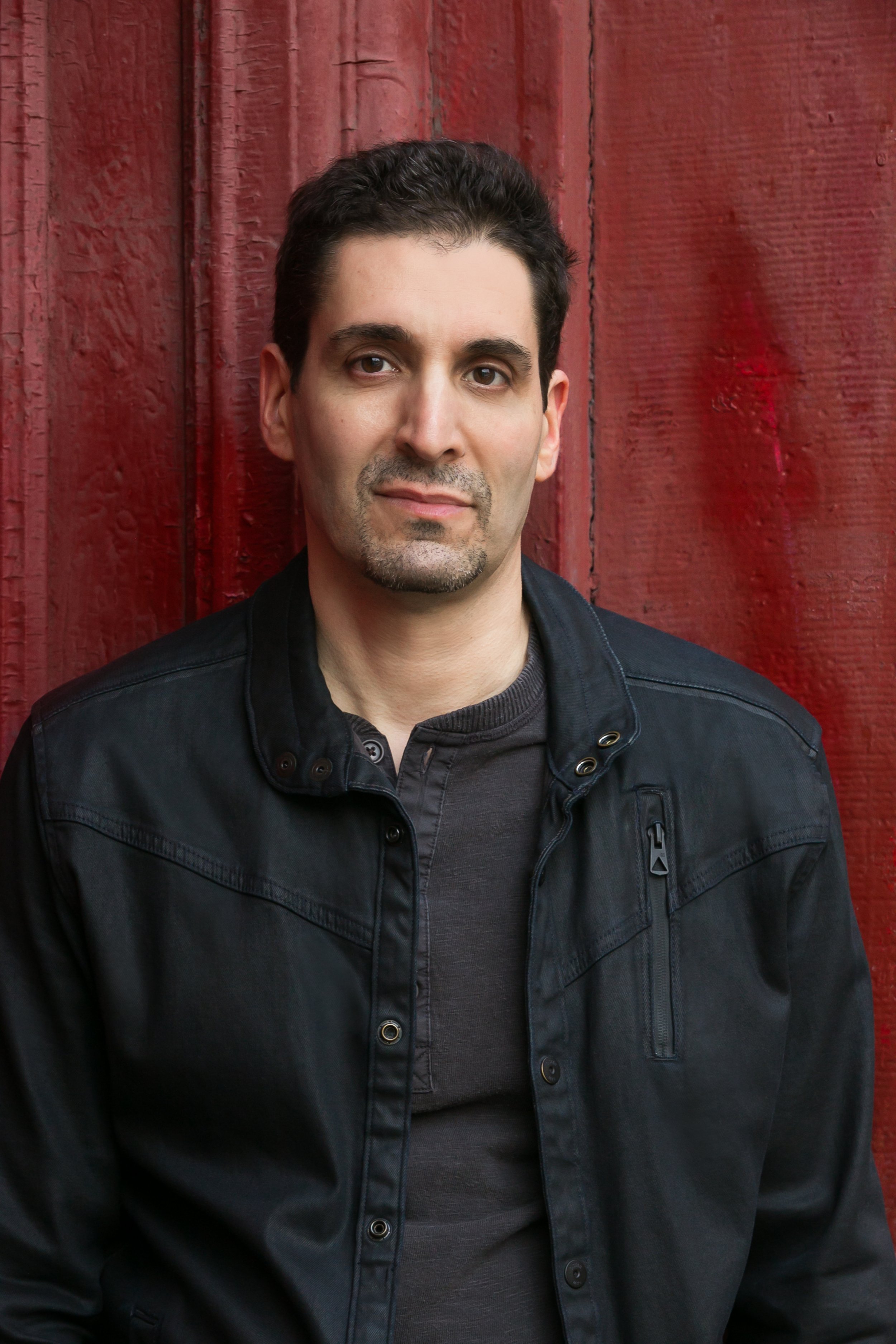
Saïd Sayrafiezadeh’s most recent book is the story collection American Estrangement  (W.W. Norton, 2021), a New York Times Editors' Choice and finalist for the Los Angeles Times Book Prize. His previous story collection is Brief Encounters with the Enemy (The Dial Press, 2013), which was shortlisted for the PEN/Robert W. Bingham Fiction Prize. He’s also the author of the celebrated memoir, When Skateboards Will Be Free (The Dial Press, 2009), a Whiting Award-winner, which was selected as one of the ten best books of the year by Dwight Garner of the New York Times.  His writing has appeared in The New Yorker, The Paris Review, The Atlantic, The New York Times, and The Best American Short Stories. He is the recipient of a Whiting Writers’ Award for nonfiction and a Cullman Center for Scholars and Writers’ fiction fellowship.

In an interview with The Rumpus on the story collection Brief Encounters with the Enemy, he was a asked about the effect of distant wars on his characters: “I was trying to hold up a mirror to this country, to reflect the past ten years or so, and the varying degrees in which we’ve been affected by the war(s) that doesn’t seem to end. And we’ve all been affected somehow, even if we have no connection to the military, even if we don’t know anyone who’s killed or been killed. No one escapes something so large.”

He lives in New York City with his wife, the artist Karen Mainenti, and teaches creative writing at New York University, where he received an outstanding teaching award. He also leads the creative nonfiction track in Hunter College's MFA program.

 
“[Saïd Sayrafiezadeh is a name] that you may want to remember…if this exacting and finely made first book is any indication…[He] writes with extraordinary power and restraint…[His] prose has some of [Isaac Bashevis] Singer’s wistful comedy, and good deal of that writer’s curiosity about the places where desire, self-sacrifice and societal obligation intersect and collide.”
— New York Times on When Skateboards Will Be Free
“Sayrafiezadeh] writes with grace and clarity about growing up juggling deprivation and desire.”
— Time Magazine on When Skateboards Will Be Free
“A memoir is a bold thing to write so young, but the author pulls it off with pathos and humor, proving some histories are best written early.”
— GQ on When Skateboards Will Be Free
 

IMAGE GALLERY

Open and right-click to download