Jori Lewis
“I’m interested in the environment. I’m interested in our relationships to the environment. I’m interested in how we make meaning from the environment.”


Jori Lewis
“I’m interested in the environment. I’m interested in our relationships to the environment. I’m interested in how we make meaning from the environment.”
“Profound...a sweeping and singular mix of vast planetary timescales with intimate lived experiences.”
“Lewis’s essays range from termites to language to folklore and convey careful observations of a changing world in a curative tone. . . . Highly recommended.”
“Slaves for Peanuts is a revelation. With elegant prose and engaging details, Lewis uncovers a vital history that promises to transform our understanding of slavery and colonialism. Though focused on a single crop, this terrain is vast and deep. I highly recommend this outstanding work.”
“Slaves for Peanuts plumbs a fascinating and disturbing slice of history, shining a light on another glaring example of Western hypocrisy and oppression.”
“Astute and distressing. . . . This informative and compassionate account unearths a little-known chapter in the history of slavery and European imperialism.”
“[Slaves for Peanuts] unearths the stories of African kingdoms and colonial settlements, showing how demand for peanut oil in Europe drove the expansion of the peanut trade in Senegal in the 19th century and ensured that slavery and indentured labor in West Africa would continue long after the Europeans had abolished it”
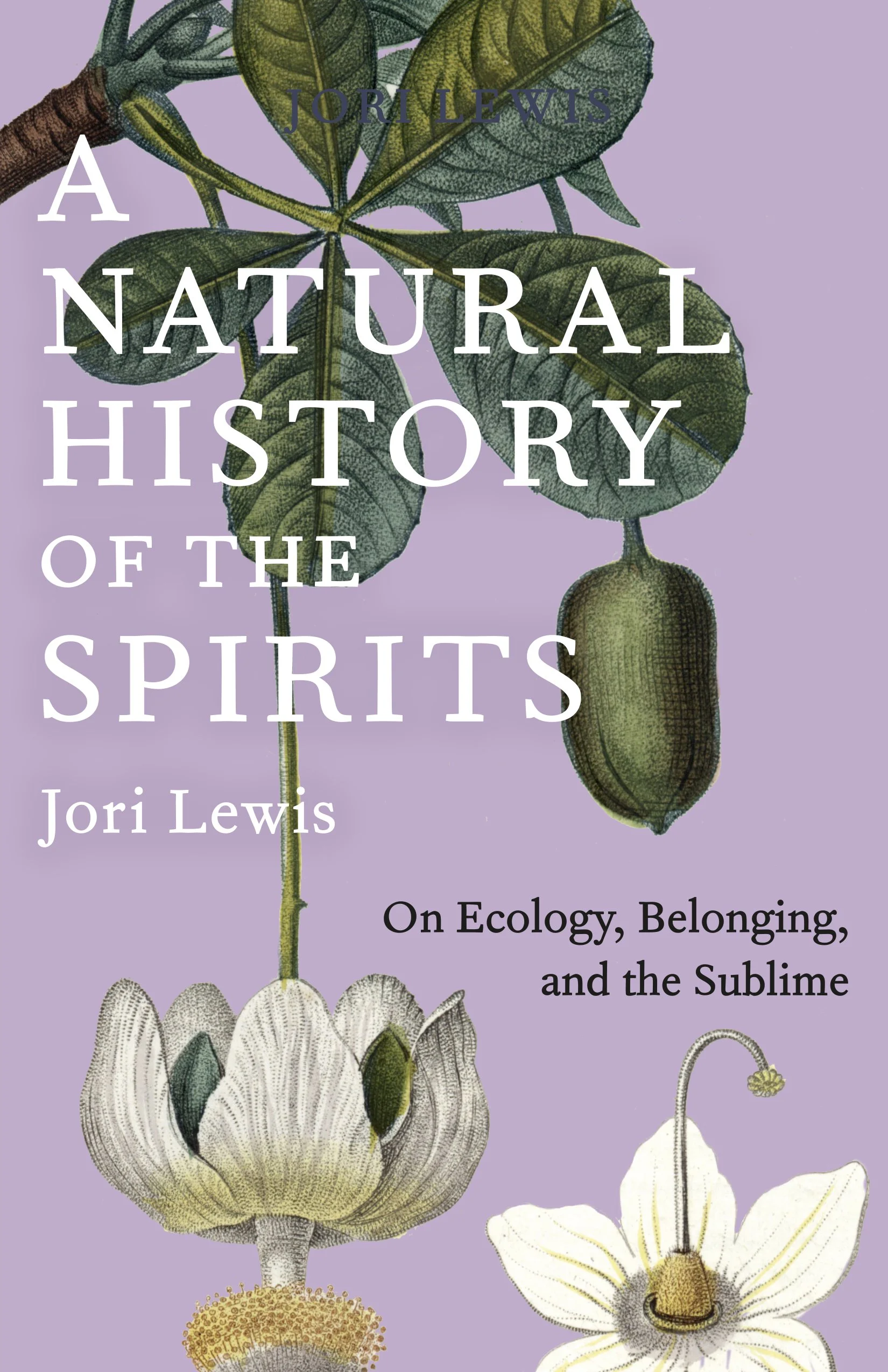
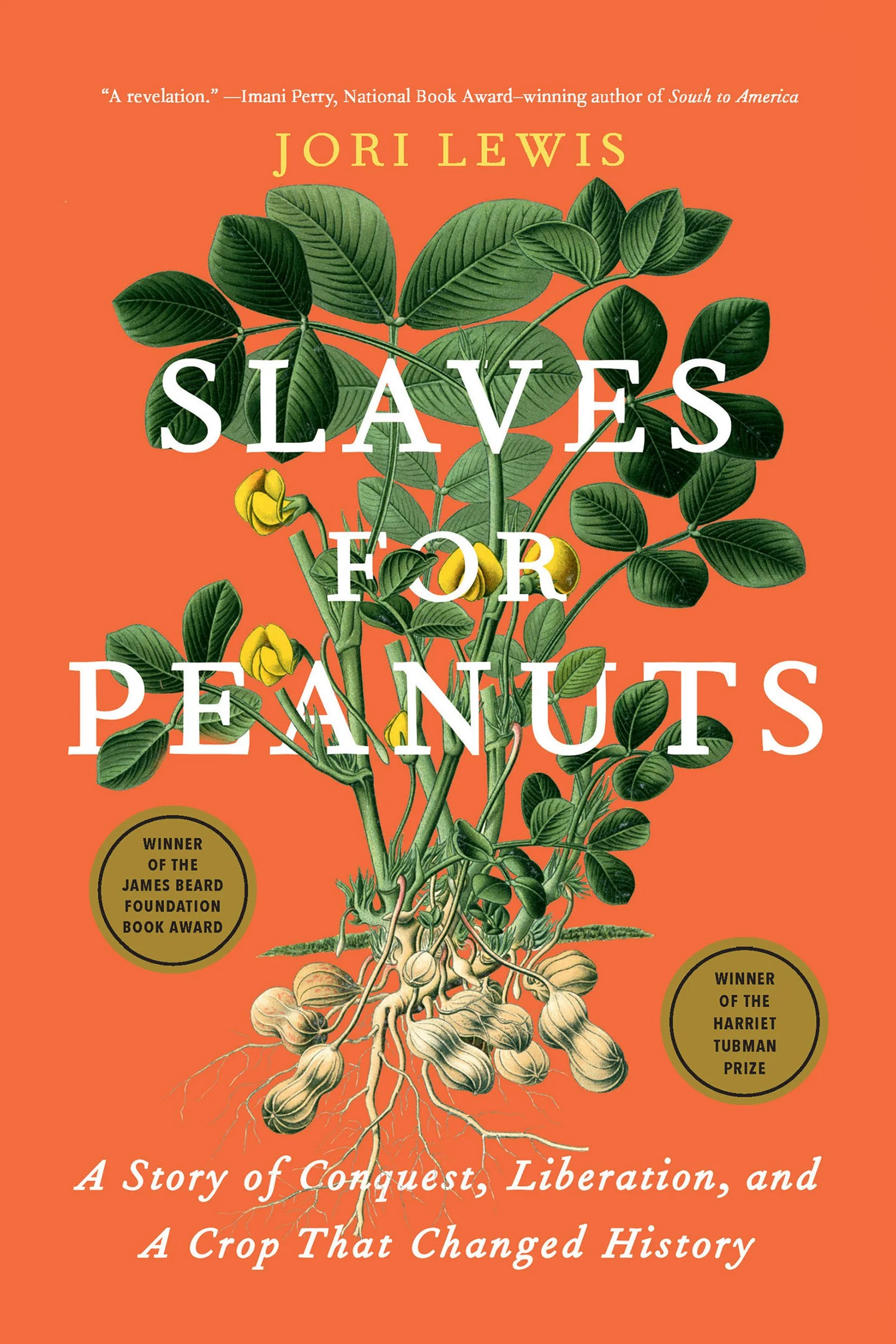
Jori Lewis writes narrative nonfiction that explores how people interact with their environments, focusing primarily on the intersections between nature, history, and culture. Her most recent book is Slaves for Peanuts: A Story of Conquest, Liberation, and a Crop That Changed History (The New Press, 2022), winner of the James Beard Foundation Book Award for Reference, History, and Scholarship and the Harriet Tubman Prize. It was also supported by a Whiting Creative Nonfiction Grant and a Silvers Grant for Work in Progress. Her next book is A Natural History of the Spirits: On Ecology, Belonging, and the Sublime, coming from The New Press in November 2026.
She is also the editor in chief of Adi Magazine, a literary magazine of global politics. She was a 2019-2020 Scripps Fellow at the University of Colorado, Boulder and a 2024-2025 Knight Science Journalism Fellow at the Massachusetts Institute of Technology.
In an interview about Slaves for Peanuts, she was asked about the book’s subtitle, A Story of Conquest, Liberation, and a Crop That Changed History: “The book is also about how colonialism is creeping in. It's about the various ways that colonialism emerges in this context. It's not really emerged, like, operationalized. It is a story of the conquest of this place that was many kingdoms with many different rulers to become a colony. The book is also the story of that, very much so, and the story of liberation. It's liberation of people moving from areas where they're enslaved to becoming free. Fully one third of the book is really about this particular mission for runaway slaves, a refuge for runaway slaves. Runaway slaves are running in search of their freedom and in search of liberation. So, it's very much also that story.”
She lives and writes in Illinois.
Open and right-click to download
Book Jacket
Book Jacket