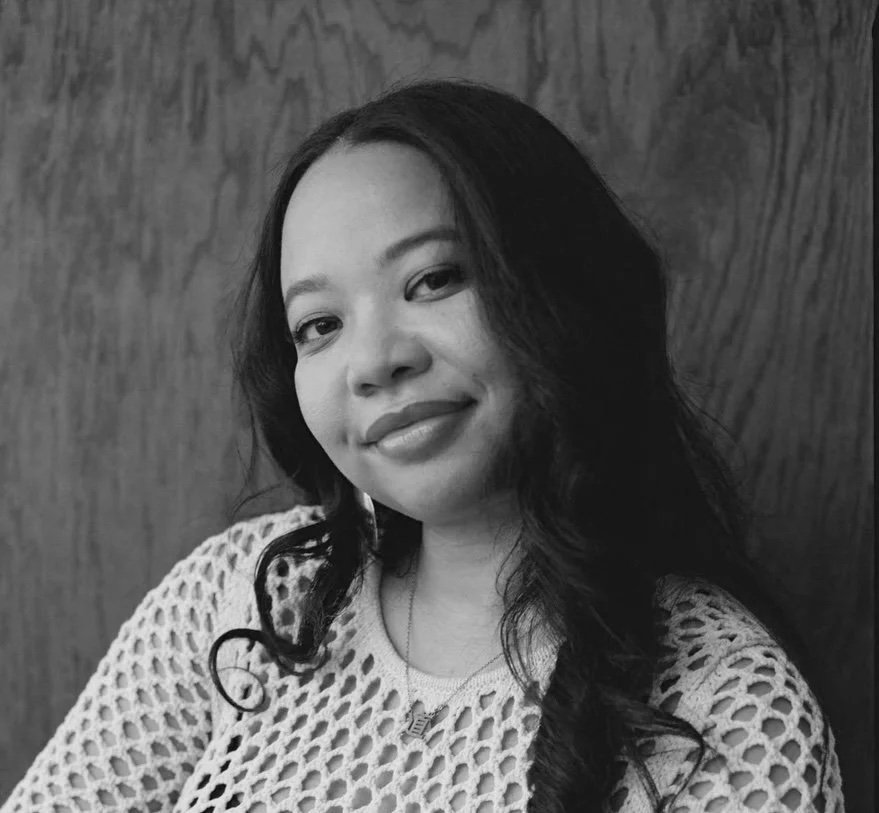
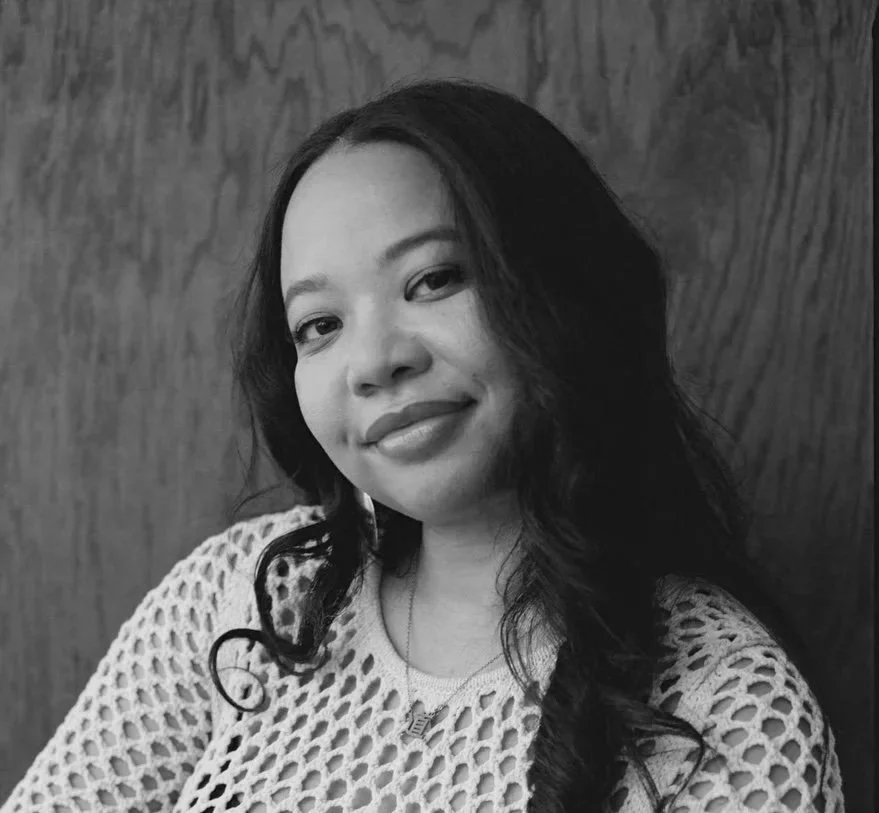
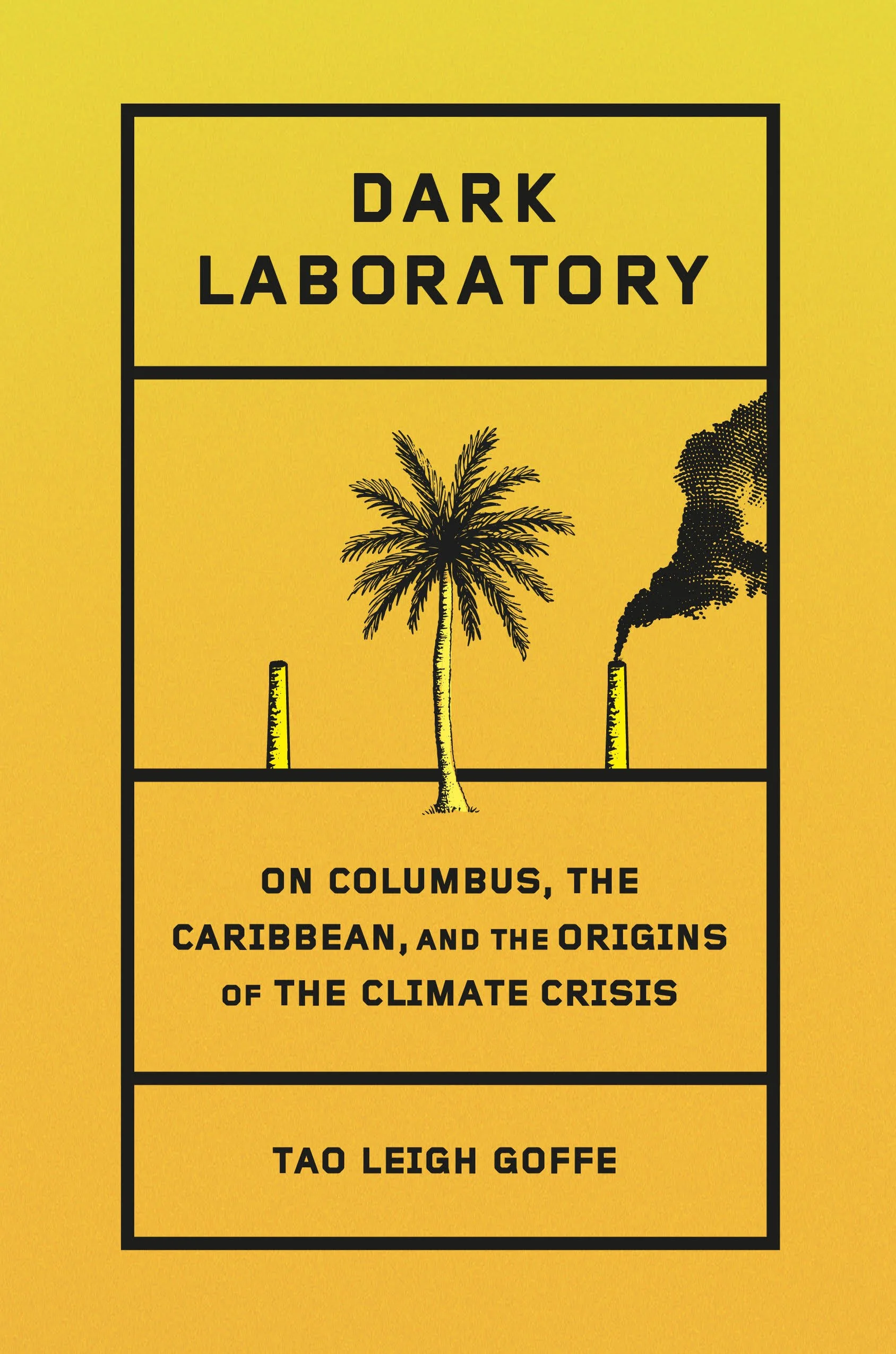
Tao Leigh Goffe is a critically acclaimed writer, theorist, interdisciplinary artist, and academic who specializes in colonial histories of race, geology, climate, and media technologies. She is the author of Dark Laboratory: On Columbus, the Caribbean, and the Origins of the Climate Crisis (Doubleday, 2025), which Publishers Weekly called a “scintillating study” that “bursts with keen insights and connections” in a starred review.
Her second book, Black Capital, Chinese Debt (forthcoming from Duke University Press), presents a long history of racialization, modern finance, and indebtedness. It brings together subjects of the Atlantic and Pacific markets from 1806 to the present under European colonialism. Her third book, Milk: A History and a Future (forthcoming from Doubleday), is a memoir on the intimate economics and history of American mothering, surrogate love, and breastfeeding.
She has provided screenwriting consultation for screenplays and TV show development, and has been an expert legal witness on histories of Black and Asian race relations for court cases. Her life story was featured as the subject of an episode of Hulu’s Your Attention Please: Initiative 29, a television series that celebrates Black heroes and futures on the 29th of each month.
Committed to building intellectual communities beyond institutions, Dr. Goffe is the founder of the Dark Laboratory, an engine for the study of race, technology, and ecology through digital storytelling. She is also the Executive Director of the Afro-Asia Group, an organization that centers the intersections of African and Asian diasporas, futurity, and radical coalition toward sovereignty.
Dr. Goffe studied English literature at Princeton University before earning her PhD at Yale University. Previously a fellow at the Harvard University Kennedy School for 2024-2025, she is currently in residence as a Sheila Biddle Ford Foundation Fellow for 2026-2027. She lives and works in Manhattan, where she is an Associate Professor at Hunter College, CUNY and CUNY Graduate Center in Earth and Environmental Sciences.