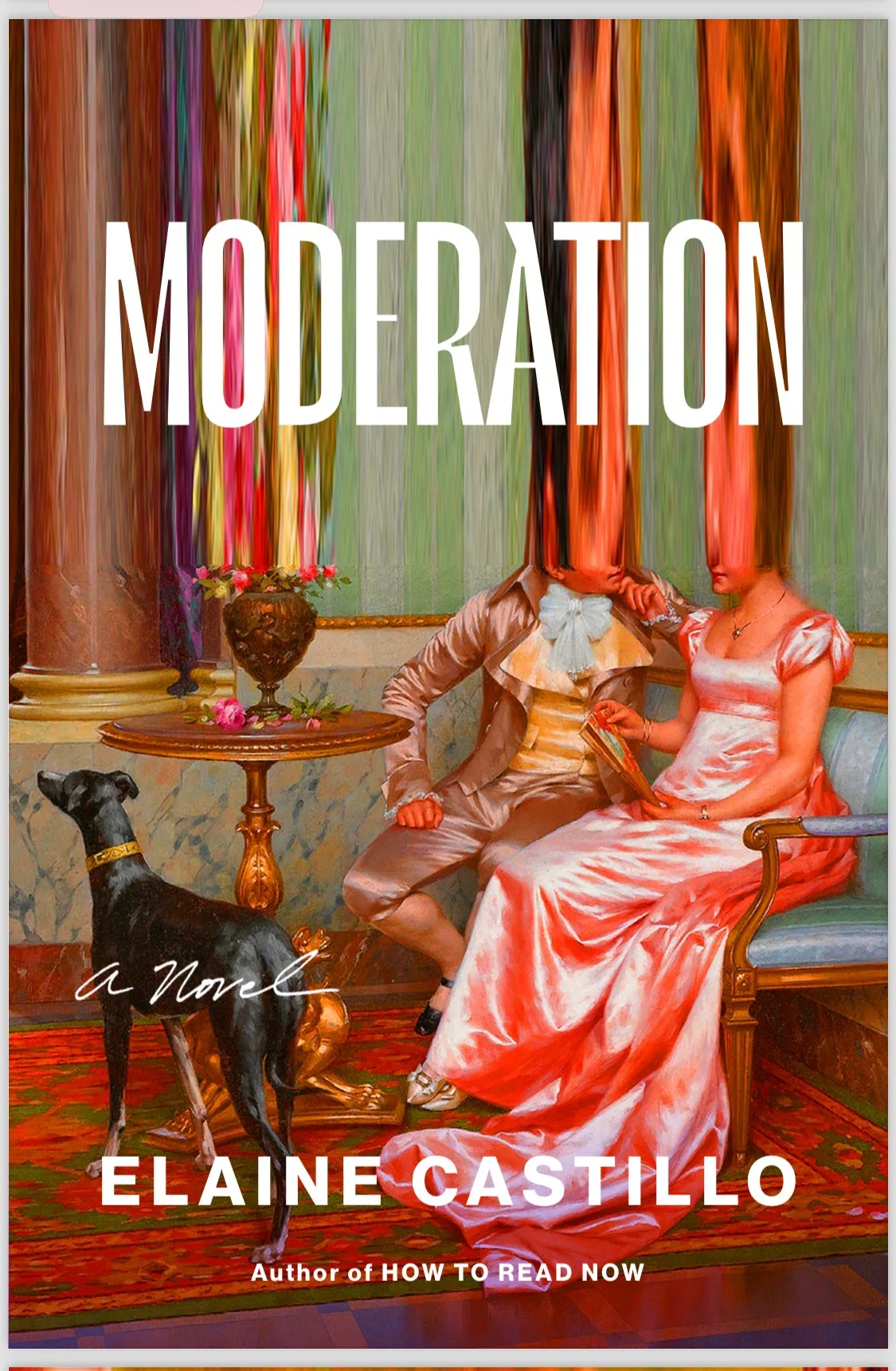
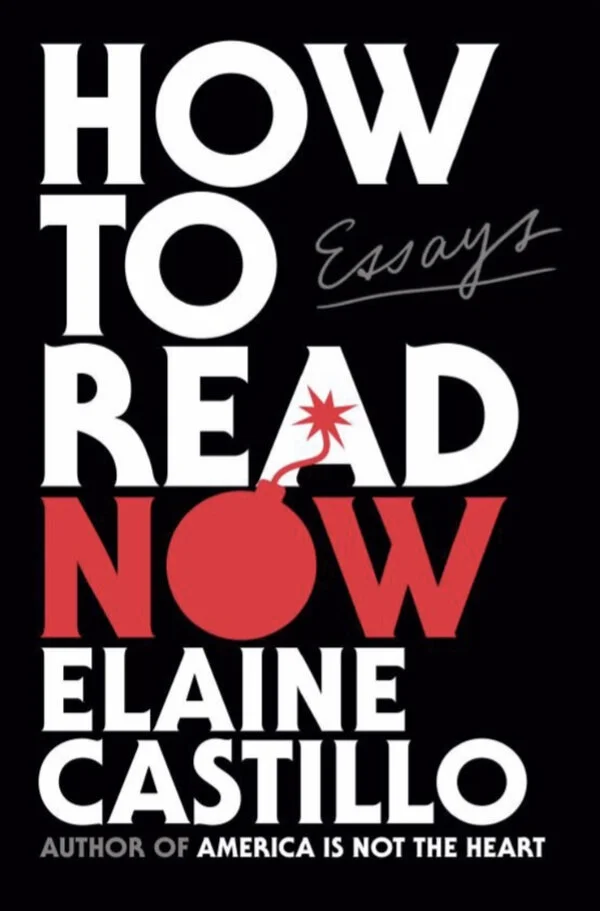
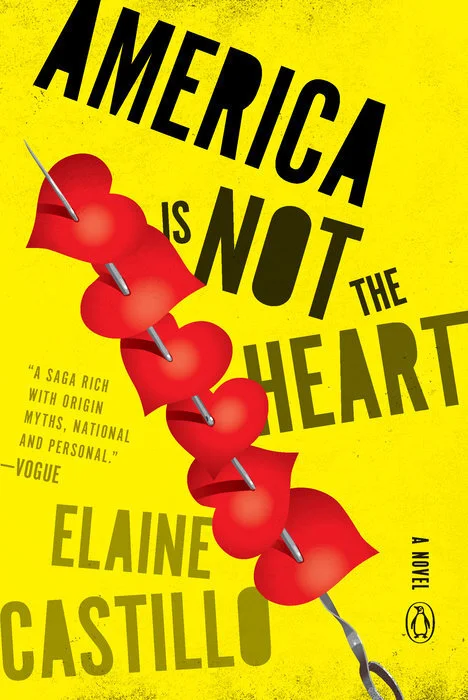
Named one of “30 of the Planet’s Most Exciting Young People” by the Financial Times, Elaine Castillo was born and raised in the San Francisco Bay Area. Her most recent novel, Moderation (Viking Press, 2025), was longlisted for the 2026 Women’s Prize in Fiction and the 2026 Joyce Carol Oates Prize. It was also named one of the Top Ten Books of 2025 by The Atlantic and Slate, and a Best Book of 2025 by The New Yorker, Time Magazine, Kirkus Reviews, and more. She is also the author of the acclaimed book of essays How to Read Now (Viking, 2022), about the politics and ethics of our reading culture. Her widely acclaimed debut novel, America Is Not the Heart (Viking, 2018), was a finalist for the Elle Big Book Award, the Center for Fiction Prize, and the Aspen Words Literary Prize, and was named a best book of the year by NPR, The Boston Globe, The San Francisco Chronicle, Kirkus Reviews, the New York Public Library, and many others.
Her writing has appeared in Freeman’s, The Rumpus, Lit Hub, Taste Magazine, Electric Literature, and elsewhere. Her short film, A Mukkbang, was commissioned by the San Francisco Museum of Modern Art’s Open Space. She is the recipient of a 2026 Whiting Award for Fiction, a two-time San Francisco Public Library Laureate, and a Berkeley Public Library Laureate.
When asked about the ways in which the personal is political in America Is Not The Heart, she responded, “When it comes to political art as genre and aesthetic, I'm always conscious of the narrow, gendered assumption that 'serious' political content is about war, empire, and history. There is no lack of war or colonial history in the book. But it's equally important to me that a young, queer, Bay Area Pinay's relationship to makeup artistry, or a former NPA insurgent's feelings about romance manga, could also bear significant political resonance—which is to say, could also be as alive to our civic selves as to our private souls.”
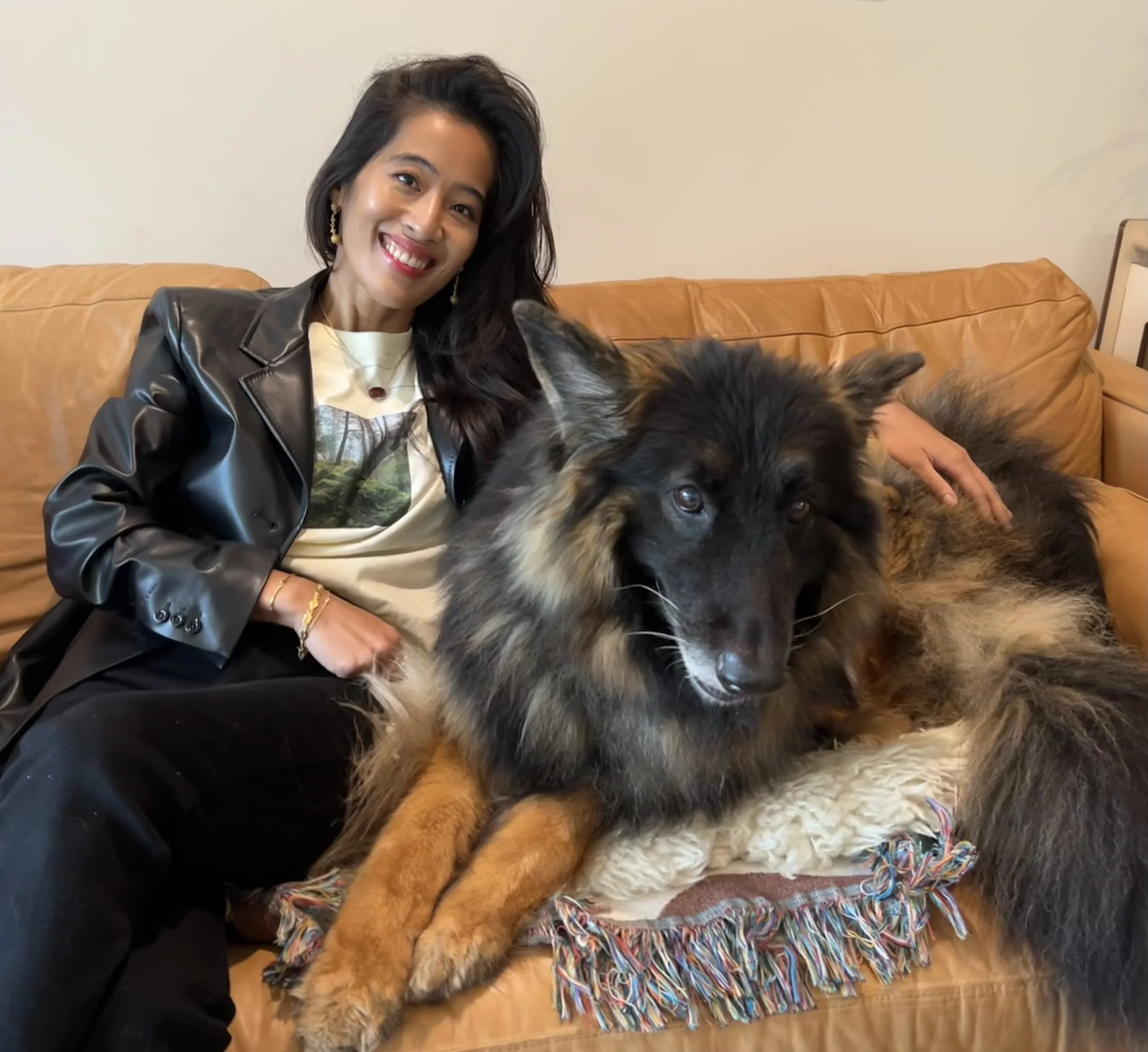
Castillo attended UC Berkeley and received an MA in Creative & Life Writing from Goldsmiths, University of London. In the tradition of diasporic mothers everywhere, she works primarily so her rescue German shepherd, Vincent, can live a better life.