Cart 0

Zeina Hashem Beck

“Poetry itself is a sort of prayer, its language taking you on a transcendental journey. I’m always looking for the sort of poems I want to repeat to myself, and in repetition is ritual making. Poetry is of the body and beyond it, and the conversation with God is of course also a conversation with the self.”

Arab American Book Award

New York Public Library Best Book of 2022

 May Sarton New Hampshire Poetry Prize

Rattle Chapbook Prize


Read

WATCH

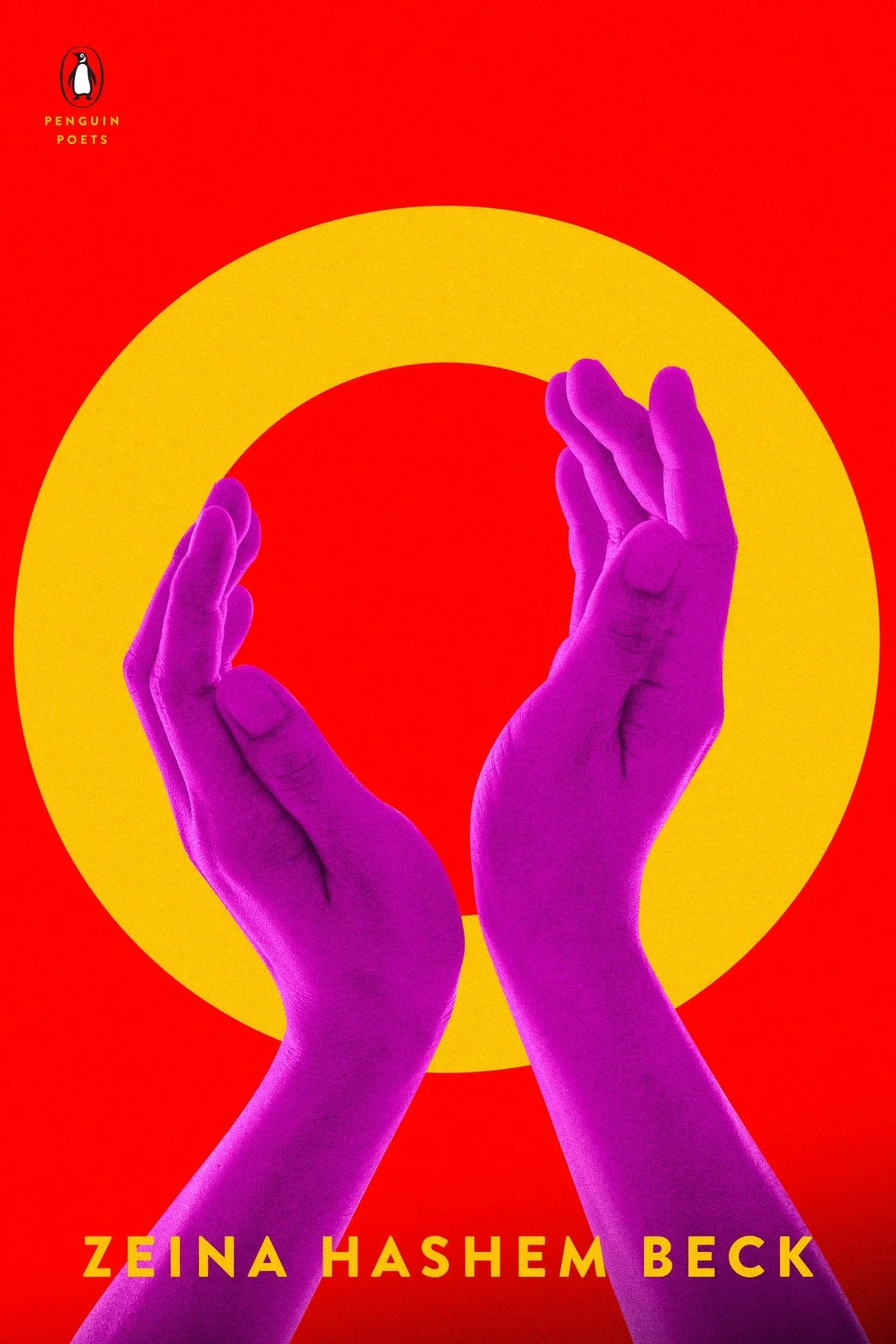
O is so full of life, of music and passion for life. In ghazals, odes, revolution songs and invocations of O the world comes vividly alive: ‘I carry a name & many cities,’ writes Hashem Beck, as her poems unfold the abundance of our world. Abundance, yes: so much tenderness, so much passion in these pages: just one language can’t contain it all, so the poet gives us ‘Duets,’ joining Arabic and English in the same stanza. The lyricism is vehicle of emotional impact—‘I Beiruted East Houston at first sight,’ the poet tells us, and we trust this playfulness and nuance because it is driven by a ritual. Because the ritual isn’t separated from the necessity of daily life in these pages. Because most daily things still have a wisp of prayer in them. Because Hashem Beck’s prayer isn’t shy of calling for revolution, of asking ‘to occupy the streets, bring the tires, the sofas, the drums, the blaring cars.’ Zeina Hashem Beck’s prayer isn’t afraid of stories, of new music on your balconies. Listen. Her O brims with the world.
— Ilya Kaminsky
Zeina Hashem Beck is graceful in [her] defiance. She embraces the multitudes – mother, citizen, poet, warrior – and presents herself to the reader as one whole.
— NPR on O
Hashem Beck does a brilliant job of blending the personal with larger themes, and readers will find themselves transported by this collection, whether it be to a dermatologist’s office or Babel or an olive tree from the past, with initials carved into its trunk.
Library Journal on O

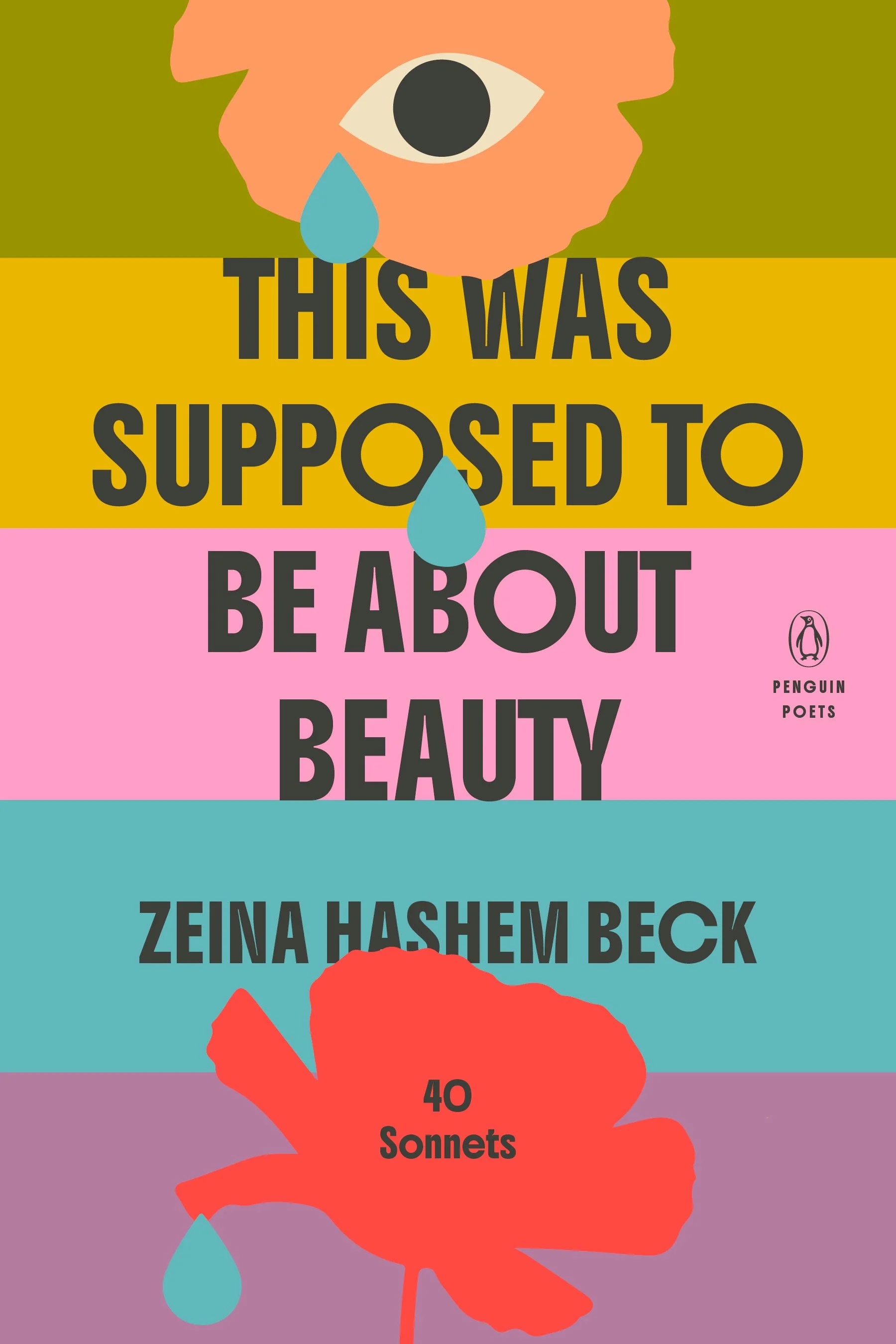
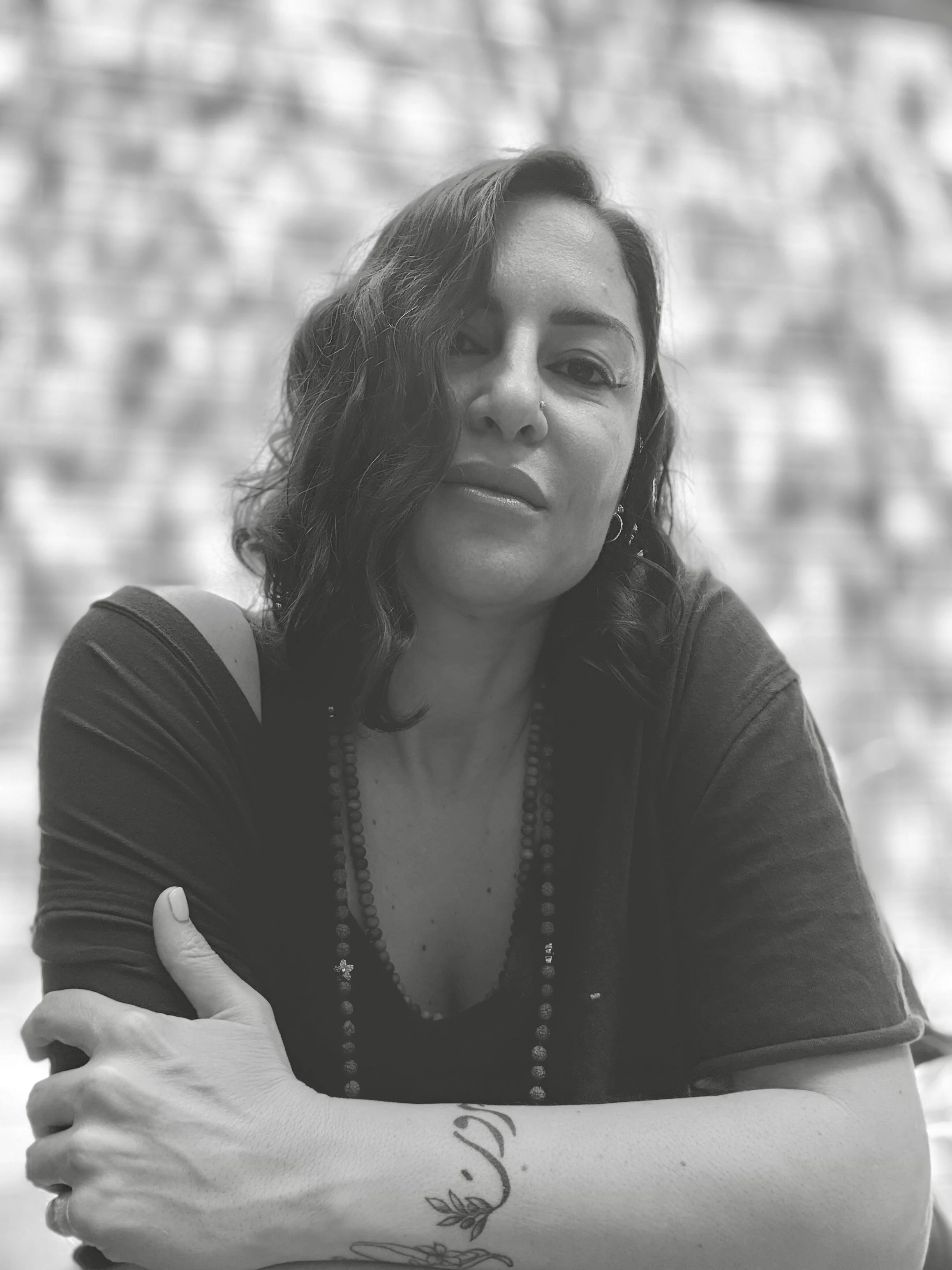
Zeina Hashem Beck is a Lebanese poet. Her fourth poetry collection, titled This Was Supposed to Be About Beauty, is forthcoming from Penguin Books in March 2027. Her third poetry collection, O (Penguin Books, 2022), won the 2023 Arab American Book Award for poetry and was named a Best Book of 2022 by Lit Hub and The New York Public Library.

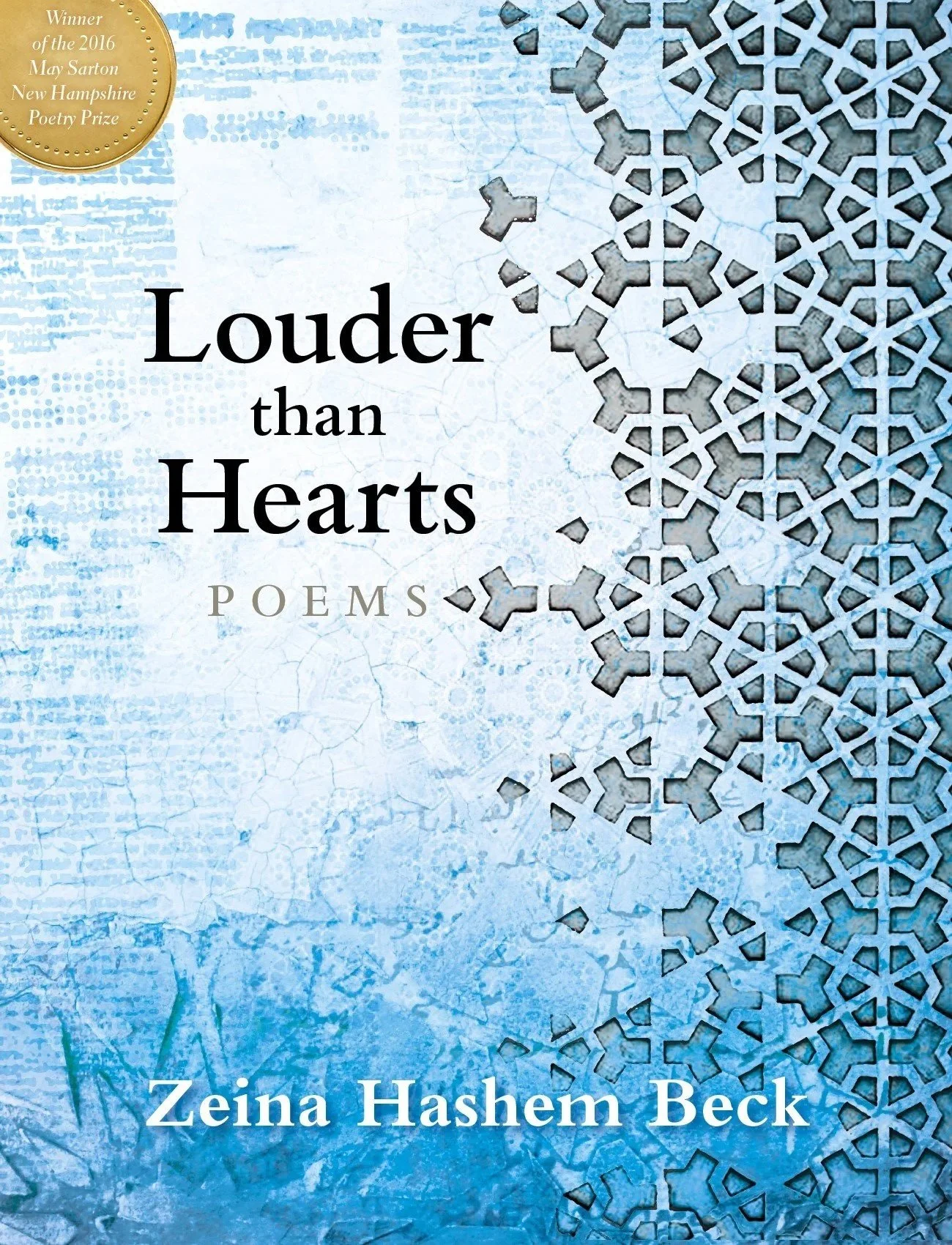
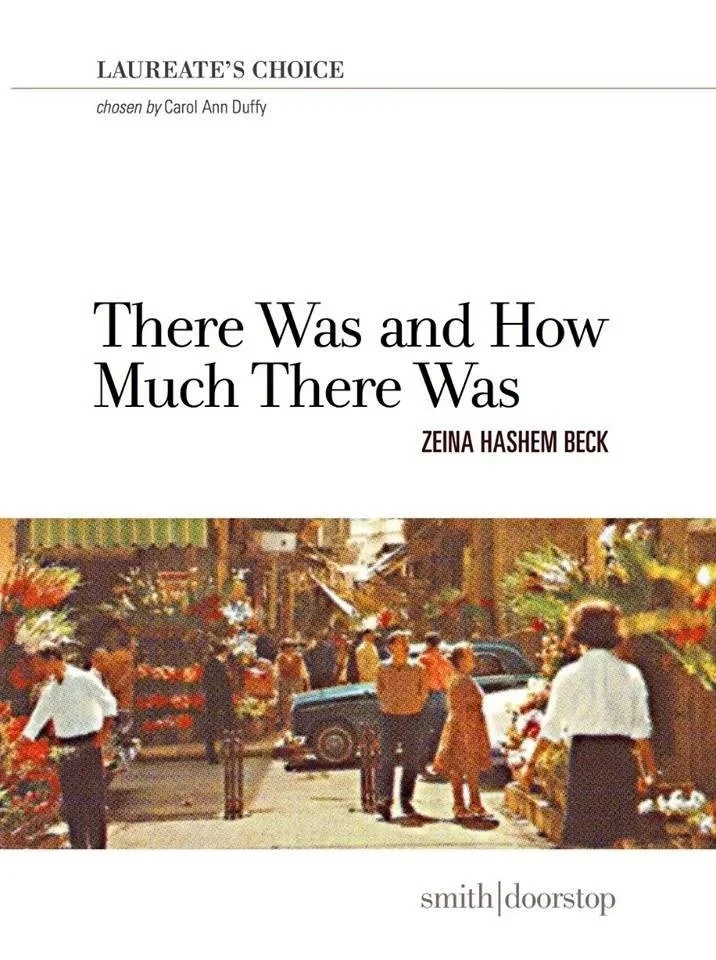
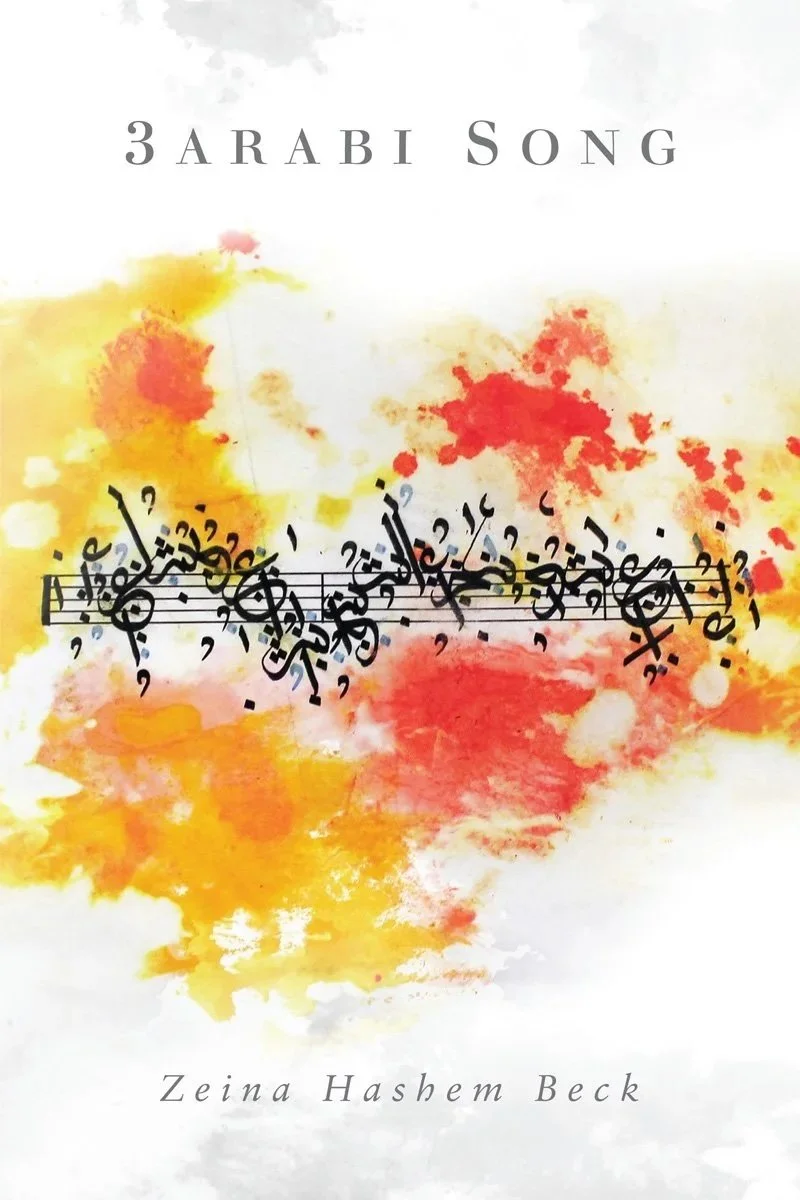
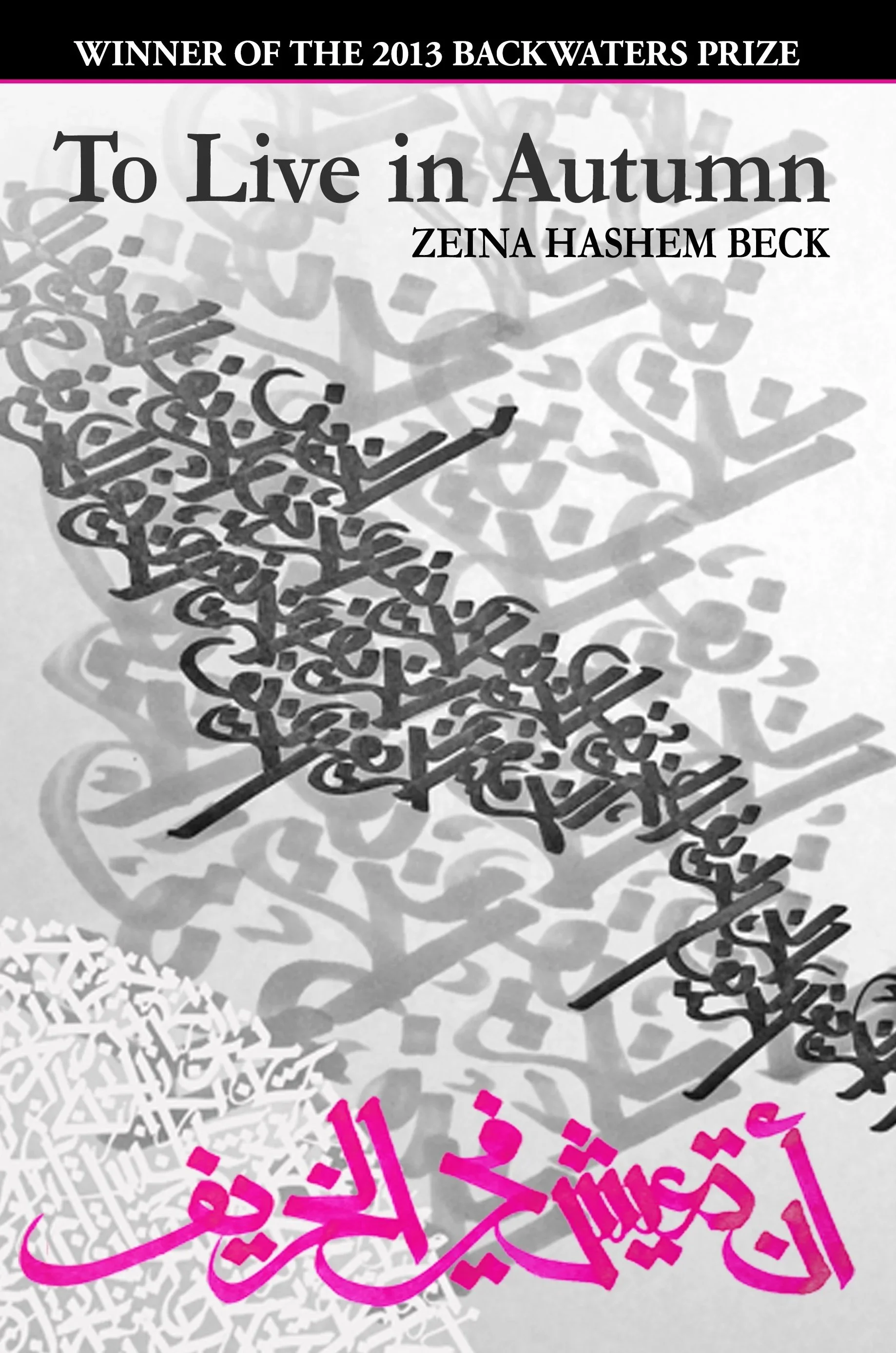
Her second full-length collection, Louder than Hearts (Bauhan Publishing, 2017), won the 2016 May Sarton New Hampshire Poetry Prize. She is also the author of two chapbooks: 3arabi Song (Rattle, 2016), winner of the 2016 Rattle Chapbook Prize, and There Was and How Much There Was (smith|doorstop, 2016), chosen by Carol Ann Duffy. Her first book, To Live in Autumn (The Backwaters Press, 2014), centered on Beirut, won the 2013 Backwaters Prize.

Zeina’s poem "Maqam" won Poetry Magazine's 2017 Frederick Bock Prize. Her poetry has been featured on The Academy of American Poets' Poem-a-Day and has appeared in The Nation, LARB, Lithub, Guernica, and elsewhere. She is the co-creator and co-host, with poet Farah Chamma, of Maqsouda, a podcast in Arabic about Arabic poetry. She is the co-founder, with poets Arwa Alsamarae and Priscilla Wathington, of the Bay Area SWANA-centered literary series Samar.

Zeina has invented a bilingual poetic form called The Duet, in which Arabic and English exist both independently and in conversation with each other. In an interview with The Adroit Journal, she was asked to describe the process of writing Duets: “I think each of the Duets in the book had its own process. With “daily كلّ يوم”  for example, the Arabic came first, almost the entire text, then I edited it and weaved in the English. “prophecy نبوّة” was a bit easier to write because it’s almost a dialogue. “Ode to Leaving غربة” came after I had some of the English text (that emulates Whatsapp messages), but the poem felt incomplete until I realized it wants to be a Duet. For others, I remember starting them as Duets right away. They’re difficult for me to write, the Duets, because you want them not to feel affected and you want them to flow. Sometimes, for example, the English and Arabic flowed well together but the Arabic didn’t work when read on its own. Or vice versa, etc. Sometimes the Arabic addresses a different person than the English, or exists in a different time. It wasn’t an easy process, but it was a fun difficulty. “

After a lifetime in Lebanon and a decade in Dubai, she moved to California with her husband and two daughters. Zeina teaches at the MFA programs at Warren Wilson and Saint Mary’s College of California.

I don’t know how Zeina Hashem Beck is able to do this. Her poems feel like whole worlds—potent conversations with the self, the soul, the many landscapes of being, and the news that confounds us all. They weave two languages into a perfect fabric of presence, with an almost mystical sense of pacing and power. “You Fixed It” might be one of the masterpieces of our time. There is death, loss, disaster, but more importantly, an exquisite sense of reviving language and poetry—anthems of life, love, respect, abounding. Everything Arabic we treasure comes alive in these poems. Readers will feel restored to so many homes, revived, amazed. Zeina Hashem Beck writes with a brilliant, absolutely essential voice.
— Naomi Shihab Nye on Louder than Hearts
Zeina Hashem Beck’s small collection of sixteen poems, a pleasure to enjoy in one sitting but layered enough to return to again and again, is like turning the pages of a family album in which none of the photographs have been hidden away. The book draws on women’s experience and uses myth and fairytale subtly and with assurance.
Antiphon on There Was and How Much There Was
These poems are brilliantly balanced between languages, between nostalgia and news, between Self and Other. I could read them over and over like, well, playing a favourite Fairouz record, but here the words are the music and the words recreate a world I love, savour and mourn.
— Marilyn Hacker on 3arabi Song
 

IMAGE GALLERY

Open and right-click to download